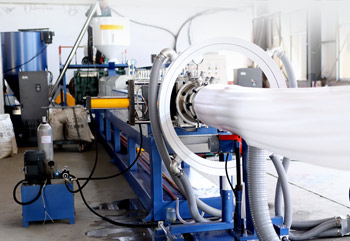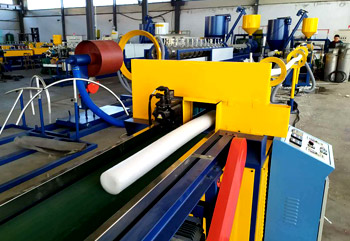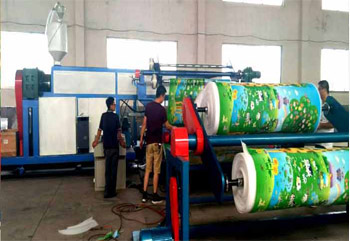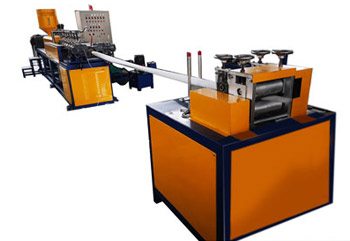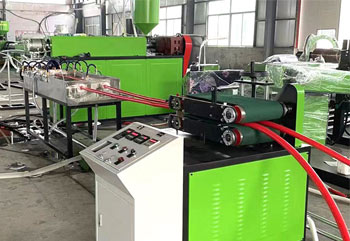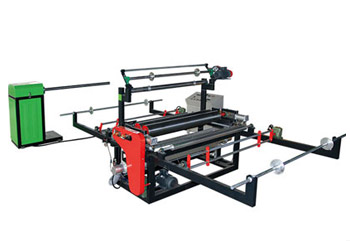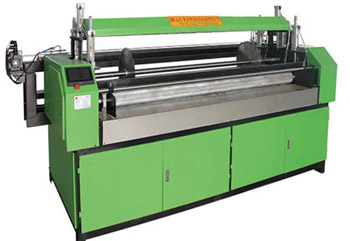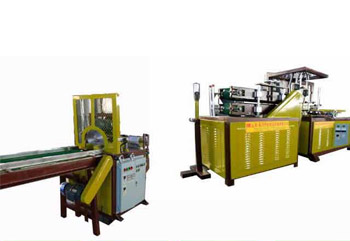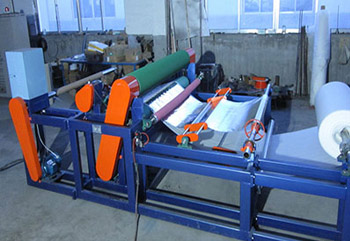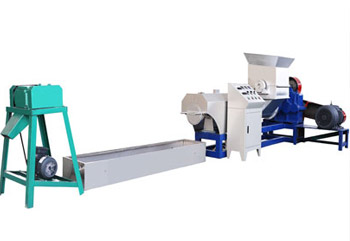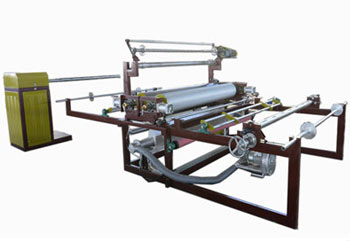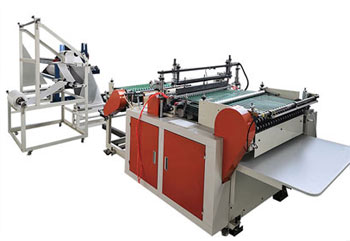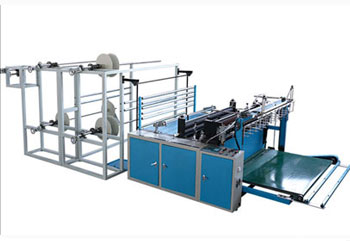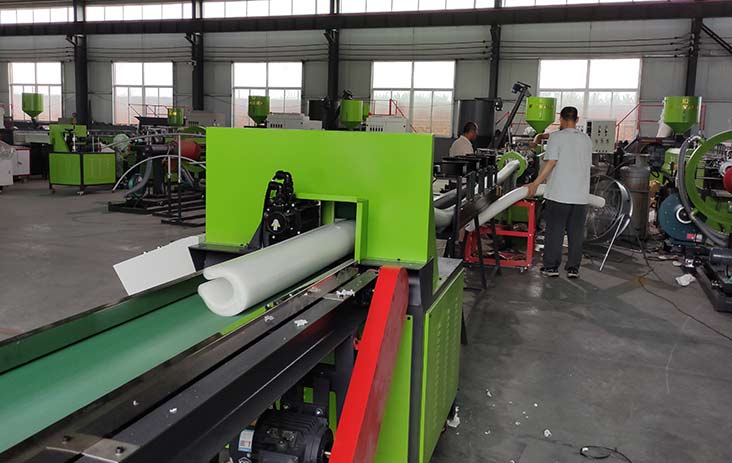
The EPE foam tube, rod and profile extrusion line produces continuous expanded polyethylene sections from LDPE resin using physical blowing-agent injection, precision single-screw plastification and calibrated cooling. It is built for converters that supply pipe insulation, packaging buffers, edge protectors, toy components, pool noodles, curtain rods, furniture fillers and other closed-cell foam sections.
The line is configured around repeatable density, stable outside diameter/internal diameter control, low scrap during startup, and straightforward changeover between tube, solid rod, hollow bar and custom profile dies.
| Model | Screw Diameter(mm) | Tube Outer Diameter(mm) | Rod Diameter(mm) | Output(kg/h) | Installed Capacity | Dimension |
| EFP-75 | 75 | 10-60 | 6-38 | 20-40 | 55 | 16*1.3*1.7 |
| EFP-90 | 90 | 20-80 | 6-50 | 30-70 | 75 | 18*1.3*1.7 |
| EFP-105 | 105 | 20-100 | 10-80 | 40-100 | 95 | 25*1.3*1.7 |
| EFP-120 | 120 | 30-120 | 30-90 | 50-150 | 115 | 28*1.3*1.7 |
| EFP-135 | 135 | 40-140 | 40-100 | 70-180 | 150 | 30*1.3*1.7 |
| EFP-150 | 150 | 50-160 | 50-110 | 90-200 | 220 | 35*1.3*1.7 |
| EFP180 | 180 | 60-180 | 60-130 | 100-260 | 330 | 38*1.3*1.7 |
| EFP200 | 200 | 70-200 | 80-135 | 120-300 | 400 | 45*1.3*1.7 |
Standard configuration
Material: LDPE; optional LDPE/regrind blend and nucleating package
Additives: talc/nucleating agent, GMS or anti-shrink additive per formulation
Blowing agent: butane standard; CO₂/physical option available
Extruder: long single-screw, nitrided barrel, multi-zone heating
Blowing-agent system: high-pressure metering pump; ATEX-compliant pump package available for hydrocarbon agents
Die head: single/multi-port tube, solid-rod, hollow-bar and custom profile tooling
Cooling/calibration: air knives plus water bath or jacketed calibration, depending on section
Haul-off: caterpillar or belt take-off
Cutting: flying/gullotine cutter with length setting; automatic counting/stacking optional
Control: PLC + HMI, inverter drives, alarms, data logging, remote diagnostics optional
Power: 3-phase; voltage/frequency configured to destination market, e.g. 380–480 V
Options: automatic feeder, screen changer, surface treatment, printer, winder, bundler, robot stacking
This EPE Foam Tube/Rod/Profiles Extrusion Line can automatically regulate its pipe diameeter, and with the following chracters:autofeeding, automatic net-changing, no material alarm, Moulding and digital display, internal and external cooling control, solid sparkless warming technique to the mainframe. Frequency conversion control has been applied to the motor of the mainframe, and this application can save 20-30% electricity than average machine.
What factory owners get from this line
Consistent cell structure and density
LDPE melt is homogenized in a long single-screw extruder, then injected with a metered blowing agent—typically butane for standard EPE, with CO₂ or mixed-physical options available on request. Controlled cooling and calibration stabilize density, wall thickness and dimensional tolerance.
Wide section range from one platform
Depending on screw size and die design, the line can produce:
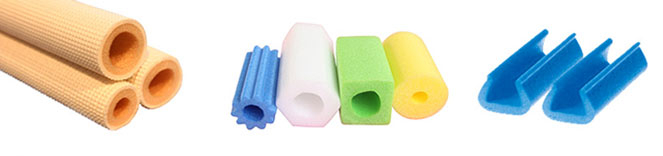
EPE tubes/pipes: small bore tubing up to large insulation sleeves
Solid rods: thin filler rods up to thick bar stock
Hollow bars and sleeving for insulation or packaging
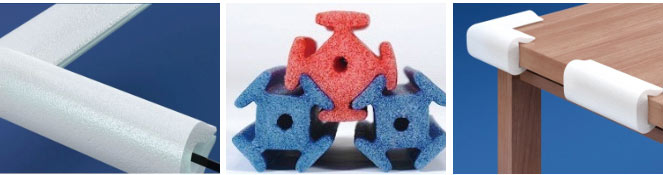
U, V, L and custom profiles for edge protection, corners, seals and decorative sections
Automated, labor-efficient operation
PLC recipe control, inverter-driven auxiliary equipment, automatic length cutting, caterpillar or belt haul-off, and optional automatic stacking/winding reduce manual handling. Operators recall recipes for each section instead of adjusting parameters manually.
Lower conversion cost
Stable foaming ratio and accurate additive dosing reduce resin waste. Servo/inverter drives and zone-based heating reduce idle energy. Quick die change shortens changeover time between SKUs.
How the EPE tube/rod/profile line works
Dosing and blending – LDPE pellet, talc/nucleating agent and process additives are metered and pre-blended for uniform cell nucleation.
Plasticization – The single-screw extruder melts and homogenizes the resin under multi-zone temperature control.
Blowing-agent injection – Liquefied hydrocarbon or CO₂ is metered into the melt at controlled pressure to achieve the target foaming ratio.
Die forming – The tooling forms tube, rod, hollow bar or profile. Mandrel/bush settings determine OD, ID, wall thickness and section geometry.
Calibrated cooling – Air and/or water cooling stabilizes expansion, prevents ovality and locks dimensional tolerance.
Haul-off and cutting – The caterpillar/belt puller maintains line speed; the cutter produces fixed lengths or continuous coil according to product type.
Stacking, bundling or winding – Tubes/rods are counted and stacked; noodles/long sections can be bundled; flexible profiles can be wound.
Typical applications
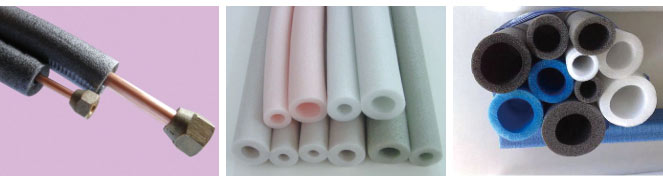
HVAC and air-conditioner pipe insulation sleeves
Plumbing and solar-circuit insulation tubes
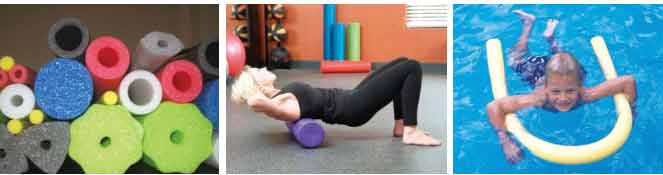
Pool noodles, toy rails, playground padding sections
Furniture edge filler, sofa/mattress edging rod, decorative profiles
Electronics and appliance cushioning rods/tubes
Glass, ceramic and fruit packaging sleeving
Curtain-rod cores, hanger fillers, garment-shoulder inserts
U/V/L edge protectors and corner guards for logistics
Custom architectural, automotive and marine foam profiles
How to choose the right model
Buyers usually select screw size and downstream layout from four inputs:
Section type – tube, solid rod, hollow bar or custom profile. Tubes need mandrel tooling; rods need solid die; profiles need machined/aluminum or steel die inserts.
Dimensions – OD/ID for tubes, diameter for rods, cross-section envelope for profiles, wall thickness and tolerance.
Density and foaming ratio – Lower density requires finer nucleation and tighter blowing-agent control; heavier structural profiles require different cooling and haul-off torque.
Daily output – Estimate kg/h from section weight × line speed × operating hours. Small service lines may need 10–40 kg/h; full insulation-tube plants often need 80–300+ kg/h.
Send target section drawings or samples; the engineering team returns screw model, die package, cooling length, cutter type and layout drawing.
FAQ
What is an EPE foam tube/rod/profiles extrusion line used for?
It extrudes expanded polyethylene sections from LDPE using a physical blowing agent. Common products include insulation tubes, solid foam rods, hollow bars, pool noodles, U/V edge protectors and custom profiles for packaging, HVAC, furniture and consumer products.
What raw material and blowing agent does the line use?
Standard material is LDPE with talc/nucleating agent and optional GMS or anti-shrink additive. Blowing agent is usually butane for physical foaming; CO₂ or combined physical systems can be supplied depending on density, safety classification and local regulations.
What tube and rod sizes can one line produce?
With interchangeable tooling, small lines typically cover tube OD around 10–60 mm and rod 6–50 mm; medium lines around 20–100 mm tube and 6–80 mm rod; large lines 30–140 mm tube and up to 100 mm rod. Exact range depends on screw size, mandrel/bush set and cooling length.
What density can EPE tube/rod achieve?
Most LDPE tube/rod lines run approximately 14–30 kg/m³ for lightweight insulation and packaging grades, with some configurations specified up to 50 kg/m³ for denser structural sections. Target density determines screw, blowing-agent dosage and cooling design.
How is diameter and wall thickness controlled?
Diameter is set by die bush and mandrel; wall thickness by mandrel position, draw ratio and haul-off speed; final tolerance by calibrated cooling. PLC recipes store die gap, temperature profile, gas dosage and puller speed for repeat runs.
Can the machine make custom profiles instead of round tube/rod?
Yes. U, V, L, semicircular, oval and asymmetric profiles are produced with dedicated profile dies. For custom shapes, send CAD drawing or sample; tooling is designed for the target cross-section, density and line speed.
How many operators are required?
Manual lines usually need 1–2 operators for material handling, cutting and packing. Fully automated dosing, cutting, stacking and winding can reduce direct labor further, depending on shift layout and downstream equipment.
What utilities and factory space are needed?
Requirements vary by model. Typical items: 3-phase power, cooling water or water-bath circulation, compressed air for pneumatic systems, exhaust/ventilation for hydrocarbon blowing agents, and straight-line space for extruder, cooling, haul-off and cutter. A 75 mm class line may need roughly 15×3×3 m; larger lines require longer cooling/haul-off areas—confirm with layout drawing.
What after-sales support is provided for export customers?
Normally: pre-shipment trial run, export packing, installation supervision, commissioning, operator training, electrical/mechanical manuals in English, spare-part list, and remote troubleshooting. On-site engineer dispatch is quoted by country and line complexity.