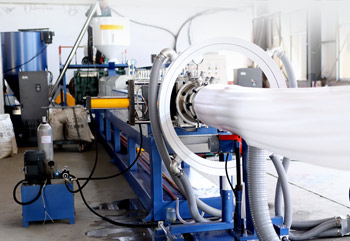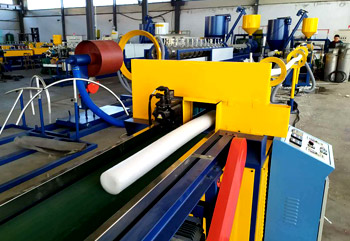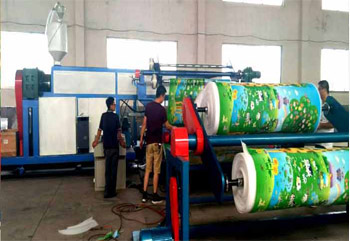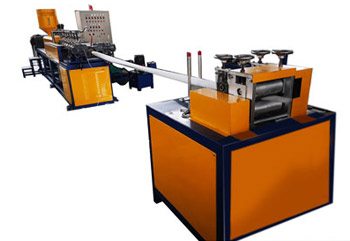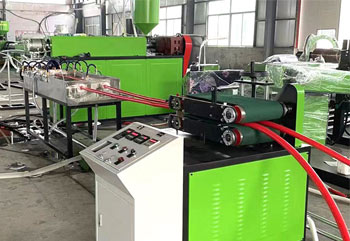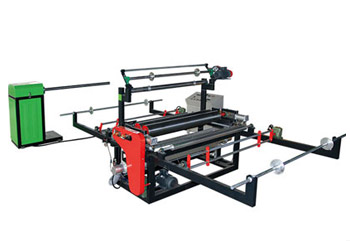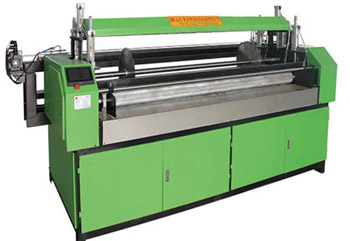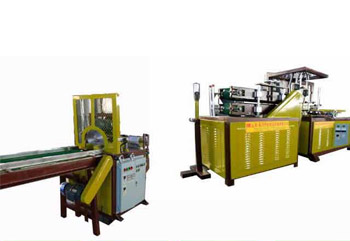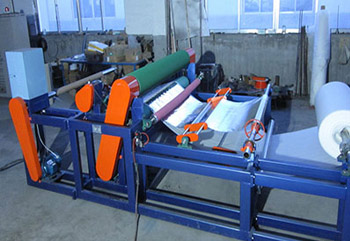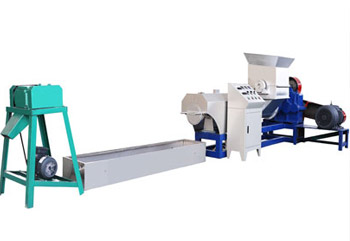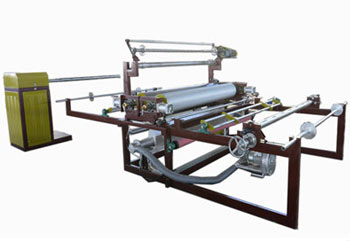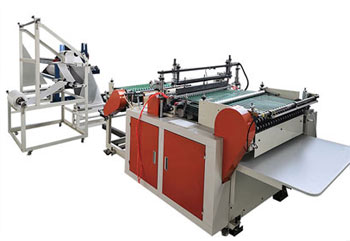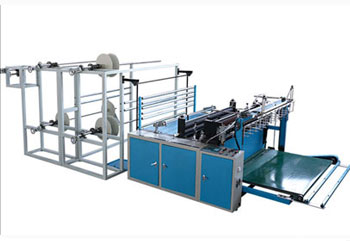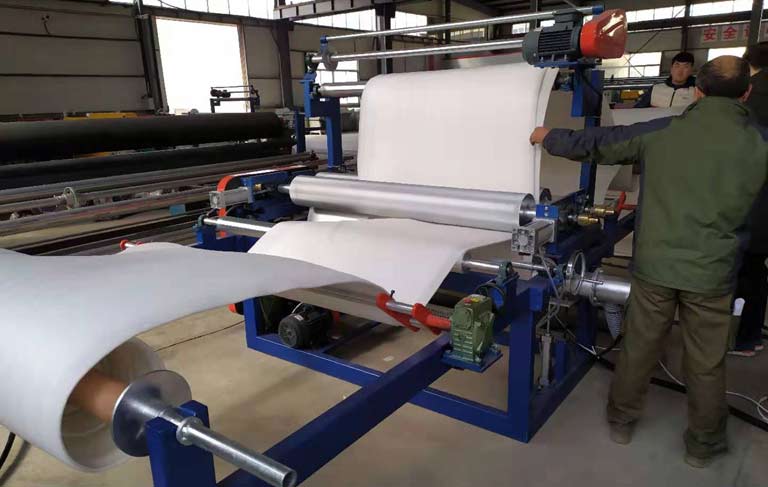
EPE Foam Sheet Bonding Machine | EPE Sheet Thickening & Multi-Layer Lamination Line (epe foam thickening machine/plastic foam thermal bonding machine) is a deep processing equipment for EPE foam sheet products.
An EPE foam sheet bonding machine joins expanded polyethylene sheets into thicker boards or composites with film, foil and fabric. The right configuration depends on the finished product: a converter making 10–50 mm protective slab uses heat-bonding/thickening; a plant making baby mats, insulated wraps or waterproof packaging uses film/foil/fabric lamination; a high-volume flexible-composite plant may use extrusion coating/lamination with molten LDPE/PP/EVA.
We supply all three formats and engineer each line around your EPE density, sheet width, target thickness, secondary web and daily output.
Main Parameter Of EPE Foam Sheet Bonding Machine | EPE Sheet Thickening & Multi-Layer Lamination Line
maximum composite width | 1500-2100mm |
maximum composite thickness | 50mm |
Heating mode | special ceramic electric heater heating |
Compound speed | 16-- 70m/min |
Main motor power | 2.2kw, frequency control. |
Total power | 85kw |
Structure type | vertical structure of main engine |
winding part | Independent winding machine, 16Nm torque motor drive |
Air supply mode | air pump |
1) Choose the bonding process first
A. Hot-air EPE sheet bonding / thickening
Two or more EPE rolls are fed through a heating zone, the surfaces are softened with high-temperature air, then pressed by steel rollers into one thicker sheet. No adhesive. Suitable for 1+1, 2+2, or multi-layer buildup up to the required slab thickness.
Reference design: product width 1200/1500/1800/2000 mm, electric heating, hot-air temperature range 150–300°C, total power 40–72 kW by width, steel laminating rollers, optional slitting and automatic winding.
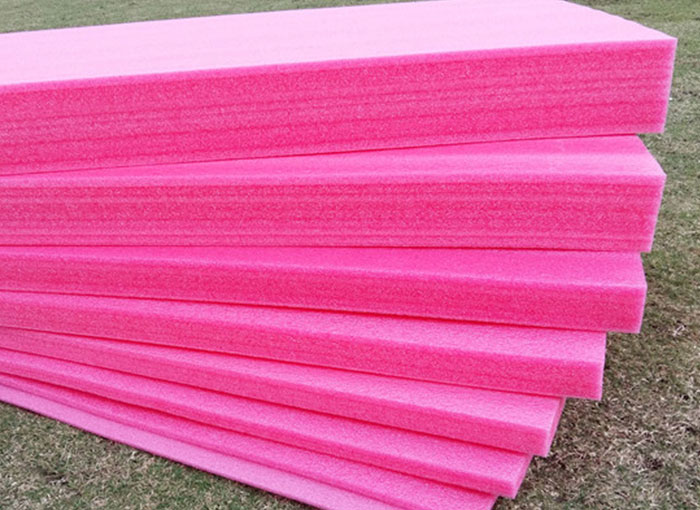
Best for: thick packaging slab, furniture edge filler, construction insulation board, mattress/base layers, shock pads.
B. Hot-plate / thermal welding for cut pads and inserts
Pre-cut EPE pieces are placed in a platen area, heated and pressed without glue. PLC sets temperature, dwell time and pressure; recipes are saved per job. Reference stations handle 800×600 mm or 1200×600 mm working area, minimum bonding thickness around 10 mm, single-cycle time about 6–8 seconds depending on foam, thickness and operator loading.
Best for: box inserts, end caps, corner protectors, multi-layer shaped pads, EPE trays with cutouts.
C. Hot-roller film/foil/fabric lamination
EPE sheet passes through heated rollers with PE film, aluminum foil, metallized film, nonwoven, woven fabric, kraft or plastic-coated paper. Electric hot-oil or electric heating rollers; typical hot-roller temperature 90–130°C, roller pressure 3–7 kg/cm² for comparable PE-lamination units, cooling/winding after the nip.
Best for: waterproof packaging sheet, baby/camping mats, aluminum-foil insulated rolls, floor underlay, luggage and automotive liner composites.
D. Extrusion coating/lamination onto EPE
A single-screw extruder deposits molten LDPE/LLDPE/PP/EVA/EAA tie layer between EPE and film/foil/paper. Reference foam-extrusion laminators use 90–120 mm screw, L/D 30–33, coating width 1000–2200 mm, coating thickness 8–100 µm, line speed 50–150 m/min depending on structure.
Best for: high-speed laminated rolls, PE-coated EPE for cartons, foil/EPE barrier rolls, nonwoven/EPE hygiene or roofing composites.
2) How the line works
Hot-air thickening
Two or more EPE rolls unwind with controlled tension.
High-temperature air heats the mating surfaces uniformly.
Steel laminating rollers press the softened sheets; gap sets target thickness.
Optional slitter trims edges; surface winder rolls the thickened sheet.
Operator sets temperature, line speed and pressure by recipe to repeat the same slab on every reorder.
Hot-plate pad bonding
Cut EPE layers are placed on the platen/conveyor fixture.
PLC heats both surfaces to the set point without adhesive.
Press cycle bonds layers; alignment jigs keep cutouts registered.
Finished pad discharges for die-cutting, boxing or further assembly.
For parts with windows/cutouts, keep bridging scrap in place during bonding and remove after cooling to avoid misalignment.
Film/foil/fabric lamination
EPE and secondary web unwind; optional corona/primer for foil or low-surface film.
Heated rollers soften the EPE surface or activate the bonding layer.
Nip rollers combine webs under set pressure; cooling stabilizes bond.
Winder produces laminated rolls for baby mats, packaging, insulation or flooring.
Extrusion lamination onto EPE
Extruder plasticizes LDPE/PP/EVA/EAA.
Flat die coats molten polymer onto EPE or onto the secondary web.
Nip/chill combines layers; scanning gauge controls coating weight.
Winder outputs multilayer rolls for high-volume converting.
3) Applications that generate repeat orders
Protective packaging: thickened EPE slabs for electronics, appliances, glass, ceramics, machinery and export crates.
Baby/camping/sports mats: EPE laminated with printed PE film, nonwoven or flannel for crawling mats, yoga pads and outdoor rolls.
Thermal insulation: EPE bonded with aluminum foil or metallized film for HVAC ducts, pipe wraps, cold-chain boxes and building reflective insulation.
Floor underlay: moisture-resistant EPE/film or EPE/woven composites for laminate/wood flooring and carpet pad.
Automotive and furniture: door-panel inserts, trunk liners, seat/base padding, sofa edge filler, mattress support layers.
Industrial composites: EPE + nonwoven for hygiene/roofing carriers, EPE + kraft/coated paper for moisture-barrier packaging, EPE + woven for heavy sack or protective roll stock.
4) How factory owners should specify the quote
Ask the buyer to send these six inputs; it prevents “send me price” inquiries that never convert:
EPE input: sheet density (kg/m³), thickness per ply, roll width, max roll diameter, virgin/regrind ratio.
Bonding goal: final thickness/slab weight, number of plies, tolerances.
Secondary web: PE film / aluminum foil / nonwoven / woven / kraft / PP-PET film; grammage or micron, width, surface energy.
Process preference: no-glue hot-air/hot-plate, hot-roller adhesive-free or adhesive lamination, or extrusion coating.
Output: kg/h of polymer, m²/day of finished roll, or pieces/shift for cut pads.
Utilities and market: voltage, cooling water, compressed air, factory layout, food-contact/flame-retardant/antistatic requirements, destination port/Incoterm.
Example scoping: “EPE 25 kg/m³, 3 mm ply, bond 3+3 mm to 12 mm slab, 1600 mm width, 8 rolls/day, no glue” → hot-air thickening line, 1600–1800 mm model, PLC, slitting, automatic winding.
Example scoping: “EPE 2 mm + aluminum foil 7–12 µm + PE release film, 2000 mm, baby mat, 15 m/min” → hot-roller foil lamination line with corona/primer option and embossing nip.
5) FAQ For EPE Foam Sheet Bonding Machine | EPE Sheet Thickening & Multi-Layer Lamination Line
What is an EPE foam bonding machine used for?
It joins EPE foam sheets into thicker boards or composites. Hot-air and hot-plate machines thicken or weld EPE without adhesive; hot-roller and extrusion machines laminate EPE with PE film, aluminum foil, nonwoven, woven fabric, kraft or polymer tie layers for packaging, insulation, mats and industrial rolls.
Do EPE bonding machines need glue?
Hot-air sheet thickening and hot-plate welding normally bond EPE without adhesive by heating the foam surface and pressing it. Film/foil lamination may run adhesive-free hot bonding for compatible webs, or use hot-melt/adhesive systems when bonding non-foam substrates. Extrusion lamination uses molten polymer as the bonding layer.
What width and thickness can the line handle?
Hot-air thickening lines are commonly supplied at 1200, 1500, 1800 and 2000 mm working width. Hot-plate stations commonly handle 800×600 mm or 1200×600 mm fixtures, minimum around 10 mm and stacked heights up to about 260–300 mm by model. Hot-roller and extrusion lines can be specified wider, typically up to 2200–2300 mm for film/foil/composite work.
Which process is best for baby mats or aluminum-foil insulation?
Baby mats and printed cushion rolls usually use hot-roller lamination with PE film/nonwoven, optional embossing and surface printing pretreatment. Foil insulation uses EPE + aluminum foil or metallized film; specify primer/corona for foil, roller temperature and nip pressure by foil gauge. For very high line speed, evaluate extrusion coating instead of roller lamination.
Can the machine bond cut EPE pads with holes or cutouts?
Yes. Hot-plate and rotary bonding stations can register multiple cut layers. For die-cut parts with windows, keep the surrounding scrap in place during bonding and remove it after cooling to maintain alignment.
How many operators are required?
Hot-air thickening with automatic unwind/winding can run with 1–2 operators for threading, quality checks and roll changes. Hot-plate stations often run 1 operator per station, with double-station layouts increasing output without adding labor. Fully automatic extrusion lamination needs operators for splicing, gauging and winding according to plant workflow.
What certifications and after-sales do you provide for export?
State only what you hold—for example ISO 9001 and/or CE where applicable. Provide English manuals, electrical diagrams, spare-part list, installation supervision, commissioning, operator training and remote troubleshooting. Factory acceptance test with customer EPE/foil samples is recommended before shipment.
7) Commercial trust block
Configuration review based on submitted EPE density, width, thickness and secondary web
Trial bonding with customer sample rolls where logistics allow
Export packing: anti-rust treatment for rollers, control cabinet crating, full wire labels
Documentation: layout drawing, utility load, operation manual, maintenance schedule, parts list, conformity files on request
Warranty, lead time, Incoterms and payment terms quoted per configuration
HS reference: foam bonding/laminating machinery commonly falls under HS 8477/8478 series; confirm exact subheading with the importer’s customs broker